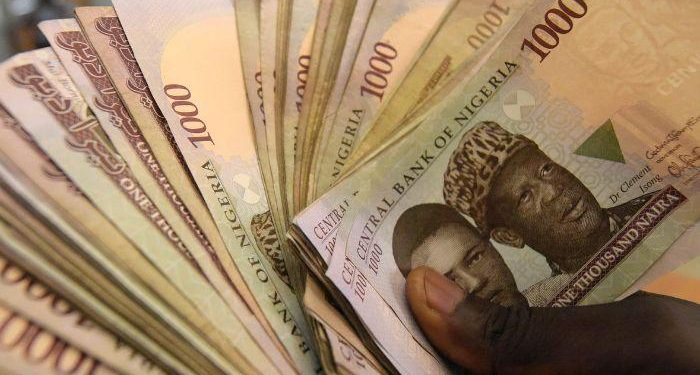
A Bloomberg report published on Friday, June 28th, stated that during the first half of 2024, the Naira, the currency of Nigeria, has underperformed all other currencies worldwide.
According to Bloomberg, the Naira’s decline is due to devaluation, insufficient dollar liquidity, and market volatility, all of which have hampered the Central Bank of Nigeria’s efforts to strengthen the currency.
Two more of the worst-performing currencies are the pound from Egypt and the cedi from Ghana.
According to data from FMDQ, which Bloomberg reported, the Naira depreciated for the ninth day in a row, hitting ₦1,510 per dollar on Thursday, June 27.
This ongoing decline represents a 40% decrease from the start of 2024 and is the longest since July 2017.
The Naira lost 67.8 percent of its value against the US dollar, from an average of ₦461.1 in May 2023 to ₦1,433.80 in May 2024, according to PwC’s most recent economic report on Nigeria.
PwC noted that this depreciation occurred despite the Central Bank of Nigeria’s foreign exchange market reforms, which aimed to achieve price discovery and attract market liquidity.
In March 2024, the Naira briefly became the best-performing currency in the world, but this was reversed the following month. According to Bloomberg, the Naira was volatile between mid-April and May due to a mismatch between demand and supply for the dollar, before stabilising in June as dollar inflows improved.
Olayemi Cardoso, Governor of the Central Bank of Nigeria, has stated that the worst of the Naira’s volatility may be over. In June, the naira traded within a narrow range of 1 ₦,473/$ to ₦1,485/$, according to FMDQ data compiled by Bloomberg. This resulted in the lowest 10-day rolling volatility in a year and the lowest 100-day fluctuations since November 2023.
Nigeria’s Naira rated worst-performing currency globally for first-half of 2024

ByYendi media
Jul 2, 2024